
285+ Positive & Negative Power Words Sure To Win You Clicks
We all judge books by their covers, articles by their headlines, emails by their subject lines, videos by their titles, CTAs by their messaging, etc.
So we know that if we can't attract attention and spark curiosity, the content we spent time or money creating goes to waste.
That's why power words are so important.
They help us reach and resonate with our prospective customers. Especially when positive and negative power words are combined...
This is because the contrast speaks to the emotional and logical motivators of the reader and helps make your copy more memorable.
But we'll go into all of this in great detail below, so let's just cut the crap and get to it.

What are Power Words?
Power words are words that can trigger an emotional, psychological response (such as a visceral reaction).
They can encourage people to:
- Pay attention,
- Respond,
- Or ideally do whatever action you want.
They've likely been used since the dawn of copywriting back in Babylonian times.
That's because power words convey emotion, and emotions drive action.
Quick tidbit: Even the most famous Roman orator, Cicero - dating back to 50+ BC knew that humans are fundamentally ruled by emotions.
(If you happen to be curious in learning more about how even ancients used emotions to persuade - I highly recommend checking out at least part of the interesting talk in the video below. The professor is a great communicator and his content is excellent!)
Despite operating in vastly different time periods - the persuasive effects of power words remain the same.
So, when it comes to:
- Getting readers to click on a blog post,
- Open an email,
- Check out an offer,
- etc.
Emotionally charged power words can make copy more persuasive when they fit the message and feel natural to the reader.

You'll see below in the list that there are power verbs, power adjectives, and power phrases.
And as mentioned in the intro, there are both positive and negative types of power words.
For instance, positive emotions can range from feelings of comfort and nostalgia to curiosity and wonder. On the flip side, negative emotions can include fear, crisis and everything in between.
So let's finally get into this list of power words.
191+ Uniquely Positive Power Words
As mentioned, positive emotions refer to various warm feelings like hope, solutions, aspirations, relief, motivation, and other juicy feelings and remedies.
Depending on what you want your readers to feel, these ideas will help guide you in the right direction:
Success and Achievement
These words fit moments where the reader wants progress or proof that a better outcome is achievable. Win or triumph work best when the result genuinely warrants them.
Excitement and Energy
This language works best when the message already has momentum behind it. Thrilling or electrifying feel forced when the underlying news is routine.
Joy and Happiness
Choose this group when the experience itself should feel rewarding. Delightful or joyous can reinforce a positive outcome without turning every benefit into a grand promise.
Empowerment and Motivation
Readers respond to empowering language when they need confidence to act or overcome a barrier. Inspire and empower work best when your message gives them a believable way forward.
Exclusivity
Exclusivity only works when access, rarity, or status is genuinely part of the offer. So it's important to note that exclusive and VIP lose their force when everyone gets the same thing.
Trust and Security
When uncertainty is the main barrier, reassurance matters more than excitement. Reliable or guaranteed should be backed by evidence or a promise you can actually keep.
(Just a quick side note - we're huge believers in bringing a sense of relief to clients and it's a feeling we prioritize with all of our services.)

Community and Unity
Use community language when belonging is part of the value. Words like together or join work when readers are genuinely becoming part of something shared.
Innovation and Progress
This group of power words is great when you can show a meaningful improvement over what came before. Breakthrough and revolutionary demand more proof than new or improved, so match the word to the size of the change.
Opportunity and Growth
Use opportunity-focused language when the reader can realistically gain something by acting. Words like unlock or discover work best when you can make the potential benefit concrete.
Here's a table below with your full vocabulary reference of positive power words. Use the themes above to choose the emotional direction first, then scan the relevant row for words that fit.
| Positive Themes | Words |
|---|---|
| Success and Achievement | Absolutely, Amazing, Best, Better, Breakthrough, Colossal, Destiny, Enormous, Excellent, Extraordinary, Famous, Fortune, Greatest, Growth, Huge, Mammoth, Monumental, Outstanding, Powerful, Promising, Remarkable, Results, Soar, Strong, Successful, Superior, Supreme, Triumph, Ultimate, Win, Wonderful |
| Excitement and Energy | Attractive, Colorful, Daring, Delighted, Exciting, Fascinating, Hot, Important, Interesting, Magic, Pulse-pounding, Shocking, Startling, Strange, Surprising, Thrilling, Zinger |
| Exclusivity and Rarity | Elite, Exclusive, Limited, Premium, Rare, Scarce, Selected, Special, Unique |
| Urgency and Immediacy | Alert, Breaking, Emerging, Hurry, Immediately, Instant, Now, Urgent |
| Value and Benefit | Bargain, Bonus, Discount, Extra, Free, Freebie, Introductory, Liberal, Lowest, Reduced, Refundable, Reward, Sale, Sampler, Savings, Valuable |
| Innovation and Progress | Create, Discover, Edge, Innovative, Introducing, Invention, Launching, New, Pioneering, Revolutionary |
| Trustworthiness | Approved, Authentic, Certified, Endorsed, Genuine, Guaranteed, Professional, Proven, Reliable, Tested, Trusted |
| Empowerment | Advice, Challenge, Empower, Energy, Focus, Help, Improve, Increase, Inspire, Motivate, Opportunities, Perspective, Promote, Protect, Uplift |
| Knowledge and Expertise | Compare, Complete, Expert, Fundamentals, How To, Informative, Instructive, Know, Learn, Practical, Revealing, Skill, Spotlight, Useful |
| Simplicity and Ease | Easy, Easily, Simple, Simplified, Simplistic |
| Quality and Luxury | Beautiful, Lavishly, Luxury, Quality |
| Security and Safety | Protect, Safety, Secure, Security |
| Time-related | Anniversary, Lifetime, Timely, Today |
95 Power Words With Negative Emotions
Negative words tap into fears, problems, or pain points, creating tension or urgency.
As per the findings of Daniel Kahneman's Prospect Theory (and later reiterated by countless others around the world), generally - people are more motivated by a fear of loss (loss aversion) than the pursuit of gains.
And so, sometimes, highlighting what someone stands to lose (or is currently losing) can be extra motivating.
I.e.: 'Don't Miss Out Like Last Time: Act Now!' (Leveraging fear of missing out [FOMO] and regret.)
Think about it during the next Black Friday season. Make a mental note of trends in ad copy, etc. You'll likely notice these 'negative' power words working their magic!
Just note that while certainly effective, we need to use these techniques responsibly and not to manipulate.
Fear and Danger
Fear-based words make sense when there is a genuine risk the reader needs to recognize. Warning and threat can clarify what is at stake, while words like terrifying need a situation strong enough to justify them.
Urgency and Pressure
Urgency doesn’t always have to feel negative. The can be neutral. A deadline or limited time can simply help someone understand when a decision needs to be made, provided the constraint is real.
Anger and Frustration
Sometimes the strongest copy starts by naming what already annoys your audience. Frustrating can validate a familiar problem, while heavier words like infuriating need a much stronger reason to be there.
Sadness and Despair
These are among the heavier words in the list, so restraint is important here. Heartbreaking or hopeless can be appropriate when the subject genuinely carries that emotional weight, but they quickly feel manipulative when it doesn’t. And can easily turn potential customers away, so use wisely because consumers are, in general, very smart.
Disgust and Revulsion
Words like toxic, filthy, or contaminated create a strong sense that something needs to be avoided or changed. Keep them for situations where that judgment is literal or easy to defend.
Scarcity and Loss
Scarcity works by making the cost of waiting easier to see. Limited or last chance can be useful when availability really is constrained; manufactured scarcity usually damages the trust it was meant to create.
Conflict and Violence
Conflict language can turn an obstacle into something the reader feels motivated to overcome. Fight or battle may suit a genuine struggle, but stronger language can make an ordinary problem sound unnecessarily dramatic.
Deception and Mistrust
This group is useful when the reader needs help recognizing something misleading or untrustworthy. Words such as scam and deceive make claims about intent, so they should only appear when you have the evidence to support them.
Failure and Weakness
Failure-focused words can draw attention to mistakes the reader wants to avoid or correct. Fail and mistake work best when the copy quickly moves from identifying the problem to helping the reader do something about it.
Shame and Embarrassment
Shame is a risky emotion to build copy around because the reader can easily feel attacked rather than understood. Lighter language such as awkward or cringe can acknowledge an uncomfortable situation without humiliating the person you’re trying to persuade.
The table below gives you the larger negative and neutral vocabulary set. Start with the problem, risk, or constraint you genuinely need to express, then choose the least exaggerated word that still makes the point clearly.
| Negative or Neutral Themes | Words |
|---|---|
| Danger and Risk | Alarming, Crisis, Danger, Risk, Threat, Warning |
| Urgency and Scarcity | Deadline, Expire, Last Chance, Last Minute, Limited, Miss Out |
| Disgust and Outrage | Disgusting, Infuriating, Outrageous, Revolting, Shameful |
| Sadness and Despair | Heartbreaking, Hopeless, Lonely, Mournful, Tragic |
| 'Environmental' Concerns | Contaminated, Polluted, Toxic |
| Secrecy and Confidentiality | Classified, Concealed, Confidential, Secret |
| Oddity and Unusualness | Odd, Unconventional, Unexpected, Unusual, Weird |
| Financial Terms | Bottom Line, Competitive, Discount, Money, Profit, Profitable, Wealth |
| Size and Quantity | Big, Full, Gigantic, Largest, More, Sizable |
| Time Sensitivity | Before, Immediately, Instant, Now, Urgent |

Best Practices For Combining Positive and Negative Power Words
Just like with SEO vs Content Marketing - the real 'power' of these words comes when they're used together.
This is where you get into the classic problem-solution copy formula:
Problem-Solution Copy:
- Negative words tap into fears, problems, or pain points - creating tension or urgency by highlighting a problem or need.
- Positive words then offer solutions, hope, and relief by introducing a solution or benefit.
- Together, they quickly complete a narrative and emotional journey from problem to solution.
Attention Grabbing and Memorable:
- You start with the negative words which often catch attention quicker - remember humans are especially sensitive to threats and problems - it's one of the essential traits that have helped us survive to this point!
- The positive words then maintain interest by offering a desirable outcome.
- And the contrast between negative and positive creates a more
memorable message.

Comprehensive Persuasion:
- Appeals to both logic (addressing a real problem) and emotion (offering a positive outcome).
- Caters to different personality types - some respond more to avoiding negatives while others are more driven by achieving positives.
More Realistic and Relatable:
- Using only positive words can sometimes come across as too good to be true and insincere.
- Including negative words adds realism and relatability to the message - but just note that using too many can be off-putting and even depressing.
- So, the balance of the 2 keeps the message grounded yet inspiring.
Urgency and Motivation:
- Again, negative words can create a sense of urgency or necessity.
- While positive words provide the motivation to act on that urgency (and also have their own forms of 'positive' urgent words as shown above).
Storytelling:
- As mentioned above, the combination forms a mini-story in the headline - from conflict to resolution.
- And this narrative structure is more engaging, memorable, and easy to understand.
- It also shows a more nuanced understanding of the target audience's situation.
How to Choose the Right Combination
Start with the emotional shift you want to create, not the word list.
- Name the current feeling. What tension or problem is the reader already experiencing?
- Choose the desired outcome. What should they feel once the solution becomes clear?
- Check the language. Keep only words that sound natural for your brand and are fully supported by the offer.
For example, "Fed up with slow reporting? Get clear answers in minutes" moves from frustration to relief without forcing either emotion.
Test Power Words Instead of Guessing
Create two versions that change only the power word or phrase. Choose one success metric before you run the test; for a headline, that might be click-through rate.
Once you have enough traffic to make a useful comparison, keep the stronger version only if the content delivers on the promise that earned the click.
| Negative Theme | Positive Theme | Rationale | Example Headline Structure |
|---|---|---|---|
| Danger and Risk | Security and Safety | Addresses fears and offers protection | Protect Yourself from [Danger] with Our [Safety Solution] |
| Urgency and Scarcity | Value and Benefit | Creates FOMO and offers a valuable solution | Don't Miss Out: [Scarce Opportunity] Brings [Valuable Benefit] |
| Disgust and Outrage | Innovation and Progress | Transforms negative emotions into hope for change | Tired of [Disgusting Problem]? Discover the [Innovative Solution] |
| Sadness and Despair | Empowerment | Offers a way out of negative emotions | Feeling [Hopeless]? [Empower] Yourself with [Solution] |
| Environmental Concerns | Trustworthiness | Addresses eco-anxiety with reliable solutions | [Toxic Environment]? Trust Our [Proven Eco-Friendly Approach] |
| Danger and Risk | Knowledge and Expertise | Combats fear with authoritative information | Facing [Risky Situation]? Learn from [Experts] How to [Overcome] |
| Urgency and Scarcity | Exclusivity and Rarity | Doubles down on the fear of missing out | Last Chance: Join the [Exclusive Group] Before It's Too Late |
| Disgust and Outrage | Quality and Luxury | Contrasts negative experiences with positive ones | Fed Up with [Disgusting Options]? Indulge in [Luxurious Alternative] |
| Sadness and Despair | Excitement and Energy | Offers an emotional turnaround | From [Heartbreak] to [Thrilling Adventure]: Your Journey Starts Here |
| Environmental' Concerns | Innovation and Progress | Presents cutting-edge solutions to pressing problems | [Polluted Future]? [Revolutionary Technology] Offers Hope |
Sensory Power Words
Another technique worth mentioning, is the combination or pairing of emotional or logical triggers listed above with sensory 'power words'.
By this I'm referring to words that help the reader visualize their preferred outcome.
This is both effective (by adding another sense to the copy) and memorable.
Here's a famous example:
It’s Finger-Lickin’ Good
But there are lots of different sensory words you can use!
Visual
- Sparkling
- Gloomy
- Vivid
- Blurry
- Shimmering
Auditory
- Whisper
- Roar
- Echo
- Silence
- Creak
Smell (Olfactory)
- Fragrant
- Stinky
- Aromatic
- Foul
- Fresh
Taste (Gustatory)
- Sweet
- Bitter
- Savory
- Tangy
- Spicy
Touch (Tactile)
- Smooth
- Rough
- Velvety
- Sticky
- Icy
- Fluffy
When done well, this technique can create compelling copy that engages readers on both a sensory and emotional level, intended to increase the persuasive power of your message.
But it's very important to choose wisely.
Only use words that can logically fit with your brand, product, and target audience's needs and desires.
Where Are These Power Words Used Best?

There are lots of different types of content where power words can help you turn strangers into potential customers.
And you certainly don't ALWAYS need to use positive and negative powers together to enjoy its benefits:
Power Words in Headlines
Again, power words in headlines grab attention and push readers to click. With them, you can evoke emotion, create urgency, spark curiosity, and all the rest we discussed above.
For articles and landing pages, consider using words like:
- Ultimate - Suggests completeness
- Proven - Builds credibility
- Shocking - Creates intrigue
- Secret - Implies exclusive information
Example: "5 Proven Strategies to Skyrocket Your Sales"
Power Words in Subheadings
Subheadings keep readers engaged as they scan your content. Power words here can reinforce your main points and encourage continued reading.
Effective power words for subheadings include:
- Critical - Emphasizes importance
- Effortless - Promises ease
- Powerful - Suggests effectiveness
- Insider - Implies exclusive knowledge
Example: "Effortless Ways to Implement These Strategies"
Power Words in CTAs (Call to Action)
Power words in CTAs can boost conversion rates by evoking emotion and creating a sense of urgency. For example, words like "Discover," "Unlock," and "Instantly" can make an offer more enticing.
Other powerful CTA words include:
- Exclusive - Creates a sense of privilege
- Limited - Adds scarcity
- Free - Always attractive to consumers
- Now - Encourages immediate action
Example: Unlock Your Free Trial Now!

Using Power Words in Email Subject Lines
Power words can obviously be an effective tool to increase open rates by triggering curiosity, value, etc.
And when you get someone to open the email - you can also use them to help boost your click through rates and conversions.
Effective power words for email subject lines include:
- Breaking - Suggests time-sensitive news
- Exclusive - Implies special access
- You - Personalizes the message
- New - Indicates fresh information
Example: "Breaking: New Exclusive Offer Just for You"
But it's important to take careful note of which words are often flagged by spam filters. These typically include terms that overly-exaggerate or are too pushy.
So, avoid spam trigger words in subject lines like "Free," "Guarantee," or "No risk".
Boosting Your SEO
Power words can make search titles more compelling when they clarify the benefit or angle of the page. The goal is to earn the right click from a relevant searcher, not to just manufacture a ranking signal.
Just a quick plug - I'm a longtime editor and content manager. I've personally reviewed and edited literally thousands of article titles from authors I've hired, managed, etc.
And the results from using these techniques have been quite positive.
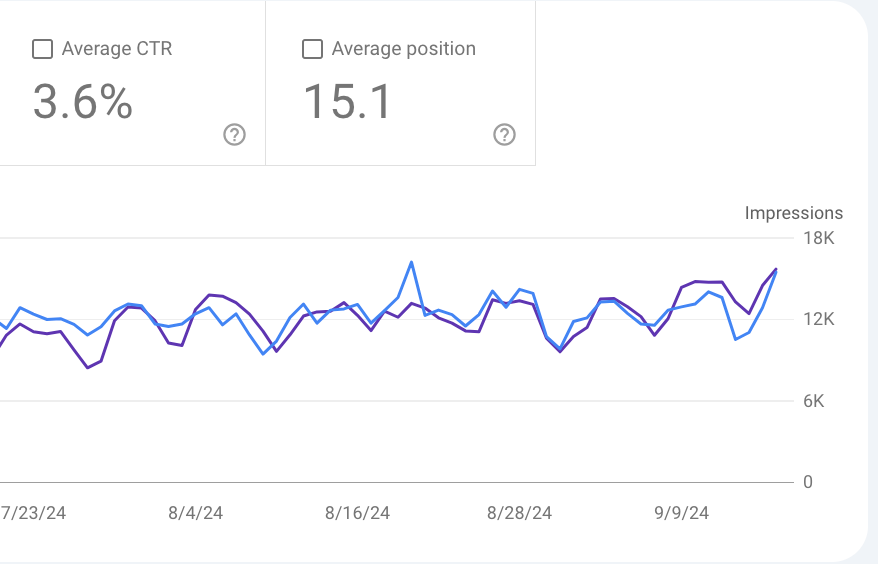
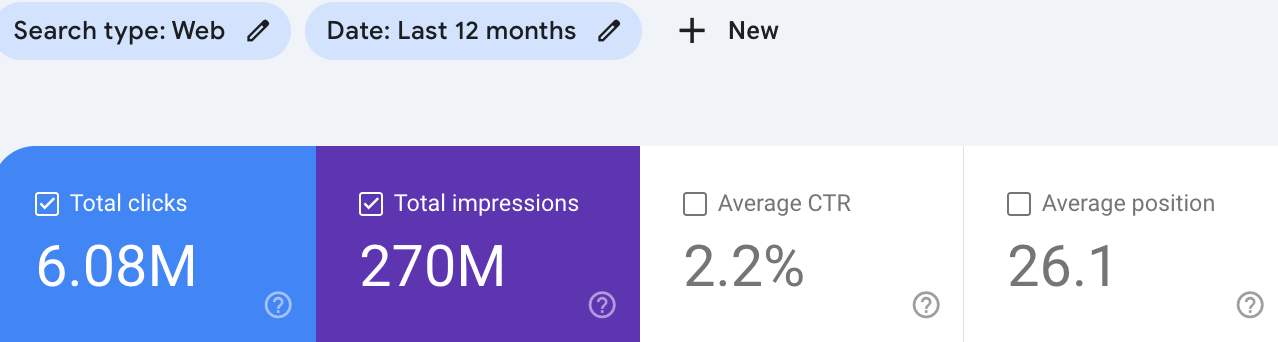
When it comes to a site with thousands of pages though - keeping a site's CTR above 2% can be quite the challenge.
That is unless you're effective with your headlines!
So, consider using:
- Guide - Suggests comprehensive information
- How to - Indicates practical, actionable content
- Best - Appeals to those seeking quality
- Review - Attracts those in the decision-making phase
- Tips - Promises quick, useful information
- Ultimate - Suggests deep, in-depth coverage
Example: "Ultimate Guide: 10 Best SEO Tips for 2024"
Power Words in Social Media Posts
Social media platforms are crowded spaces where content competes for attention. Power words can help your posts stand out and increase engagement.
Here are some effective strategies:
- Exclusive or Breaking - Just like for email subject lines - it creates a sense of urgency and exclusivity
- You won't believe or Mind-blowing - Triggers curiosity and maybe some cringe - but sometimes cringe sells (when it's authentic)!
- Free or Giveaway - Attracts those looking for value
- Limited time or Last chance - Induces FOMO
- Hack or Shortcut - Appeals to those seeking quick solutions
Examples:
- "Exclusive: Behind-the-scenes look at our new product launch!"
- "Mind-blowing trick to double your productivity"
- "Free webinar: Learn from industry experts"
Just make sure to adapt your language to fit the tone and style of each platform.
Power Words in YouTube Titles
YouTube is the second biggest search engine in the world after Google.
Which means it's highly competitive, and your title needs to work hard to earn clicks.
But luckily many of the same tips and tricks that work on Google are applicable here too:
- Ultimate or Complete - Again, suggesting comprehensive content
- Shocking or Surprising - Creates intrigue
- Proven or Tested - Builds credibility
- Easy or Simple - Appeals to those seeking accessible content
- vs or Comparison - Attracts viewers looking to make decisions
You can also build titles around category entry points, also known as the situations or needs that make someone think about your topic in the first place. Making use of power words then help make that existing motivation more compelling.
Examples:
- Edit Product Photos Fast: Photoshop Basics
- Why Your Photos Look Flat in Low Light and How to Fix Them
- How to Grow a YouTube Channel When You Only Have 2 Hours a Week
- Easy Homemade Pizza for Nights When Takeout Feels Too Expensive
- Laptop vs Tablet for Working While You Travel
Bonus tips for YouTube titles:
- Use numbers when applicable (e.g., "7 Tips for...")
- Include the current year to appear up-to-date
- Keep the titles short - around 50 characters
- Incorporate trending topics or keywords relevant to your content
And while power words are effective, it's crucial to deliver on the promise of your title.
Clickbait tactics might get initial views but can impact audience retention and standing in the algorithm. So when you're using grandiose power words as adjectives - just make sure your content lives up to the hype.

Power Words in Product Names
Power words can even be used in product names to be more memorable and appealing.
You just need to ensure it's aligned with your overall brand identity and is attractive to your target market. Remember that words are often loaded with emotional baggage (often with deep meanings) so choose wisely!
Here are some options that other big companies have used:
Emphasizing benefits:
- Ultra (e.g., Samsung Galaxy S22 Ultra)
- Pro (e.g., MacBook Pro)
- Max (e.g., iPhone 16 Pro Max)
- Zen (e.g., ZenDesk)
Implying innovation or uniqueness:
- Smart (e.g., Smartfood Popcorn)
- Eco (e.g., Literally an entire industry of 'eco-friendly' products)
- Fusion (e.g., Ford Fusion)
Suggesting premium quality:
- Prime (e.g., Prime Energy drinks)
- Luxe (e.g., Helix Midnight Luxe mattress)
- Platinum (e.g., 'Platinum Memberships')
Indicating speed or efficiency:
- Turbo (e.g., TurboTax)
- Rapid (e.g., Rapid Care First Aid Kit)
- Instant (e.g., Instant coffee, noodles, etc.)
Power Words in Ads
Last but certainly not least we have the most common use of copywriting and leveraging power words.
Advertising is a field where the right words can make a huge difference in conversions. And that's whether you're running print ads, digital ads, or social media campaigns.
Here are some effective ways to use power words in ads:
Attention-Grabbing Headlines:
- Limited - Adds urgency and scarcity
- Essential - Implies necessity and importance
Example: Limited Stock, Essential Product You Can't Live Without!
Creating Urgency:
- Now - Encourages immediate action
- Today - Adds timeliness
- Don't Miss Out - Plays on FOMO (Fear of Missing Out)
- Last Chance - Creates a sense of finality
Example: Act Now! Last Chance to Save 50% Today Only!
Highlighting Benefits:
- Effortless - Promises ease of use
- Guaranteed - Builds trust and reduces perceived risk
- Proven - Suggests reliability
- Transform - Implies significant positive change
Example: Effortless Weight Loss: Proven Method Guaranteed to Transform Your Body
Addressing Pain Points: Goes back to the negative power words discussed above!
- Stop - Promises an end to a problem
- Eliminate - Suggests complete removal of an issue
- Prevent - Offers protection against future problems
- Relief - Promises comfort or solution
Example: "Stop Hair Loss: Eliminate Baldness and Prevent Further Thinning"
Call-to-Action (CTA):
- Get - Implies attaining something
- Start - Encourages taking the first step
- Join - Creates a sense of community
Example: "Join 10k+ Happy Members Today"
But remember - overuse or misusing these power words can lead to distrust or even legal issues. The key is to balance compelling language with honesty of what you're offering.
And whenever possible - testing different combinations of power words will always help you improve!
Power Words in Conclusion
So there have it, we've explored the undeniable impact that carefully chosen power words can have on your marketing efforts.
To recap - power words (when used judiciously) can enhance the effectiveness of your headlines, CTAs, email subject lines and pretty much all of your marketing material.
The key takeaways are:
- You can enjoy maximum impact by balancing positive and negative power words
- Power words can be used across all sorts of different marketing channels
- Avoid overusing them though so as to not come across as insincere or, say, trigger spam filters with your email marketing efforts
While power words can be a valuable tool, they're just one aspect of a comprehensive content marketing strategy.
As always, to make the most of this tactic, you want to first nail down your audience, your brand voice, and your overall marketing and business goals.
If you're looking to refine your content marketing approach and make the most of these techniques and more, feel free to reach out to us.
We're pretty nice and always happy to support business growth!

About Will James
Will is a content strategist and co-founder of 8-Bit Content. He helps businesses get more from their content and has spent more than a decade working across search, publishing, and marketing. In his free time, he’s almost certainly with family and friends, off on an adventure, learning something new, or trying to get a cat’s attention.

About Joshua James
Joshua is an education leader and co-founder of 8-Bit Content. He has spent more than 15 years helping schools grow, strengthen their digital presence, and create safer learning environments. In his free time, he’s usually with his two kids, taking on a new challenge, or pretending he has reached the end of his to-do list.



Let’s grow your online visibility together!
Get practical content tips and checklists
Contact Us
You can also find us here:
